Original Version
Giving people back the rights to their own face
An extreme sports athlete requested a copy of his own 3D scan and was told he didn't own it, the brand did — and an idea was born.
Chief Product Officer (Fractional)
- In charge of the product strategy from start to finish, and designed and built the platform based on that strategy
- Directed the new brand and positioning through the pivot
- Brought in designers and the build partner, and ran the whole process across four vendors
- Hands-on: information architecture, service design, and getting involved in the design system itself
The Problem
He'd sold his own face without knowing
In 2023, a former colleague called me with an idea. She'd been in a business where they'd commissioned an extreme sports athlete for a 3D reality concept that got shelved. When the athlete asked for the asset so he could use it elsewhere, it turned out he didn't own it.
Elite talent had no way to own, control or license digital replicas of themselves. The emergence of AI and deepfakes made the problem urgent, and created the idea that could solve it.
The Insight
The threat is also the opportunity
The obvious reaction to AI was defensive: protect talent from having their likeness taken. The more interesting opportunity is commercial. If a licensed digital replica exists, an athlete can appear in an advert while they're competing on the other side of the world or even while they sleep.
Talent don't just get IP protection (of their own face); they can now also own a way to be in two places at once, on their terms.
What we did
A brand change
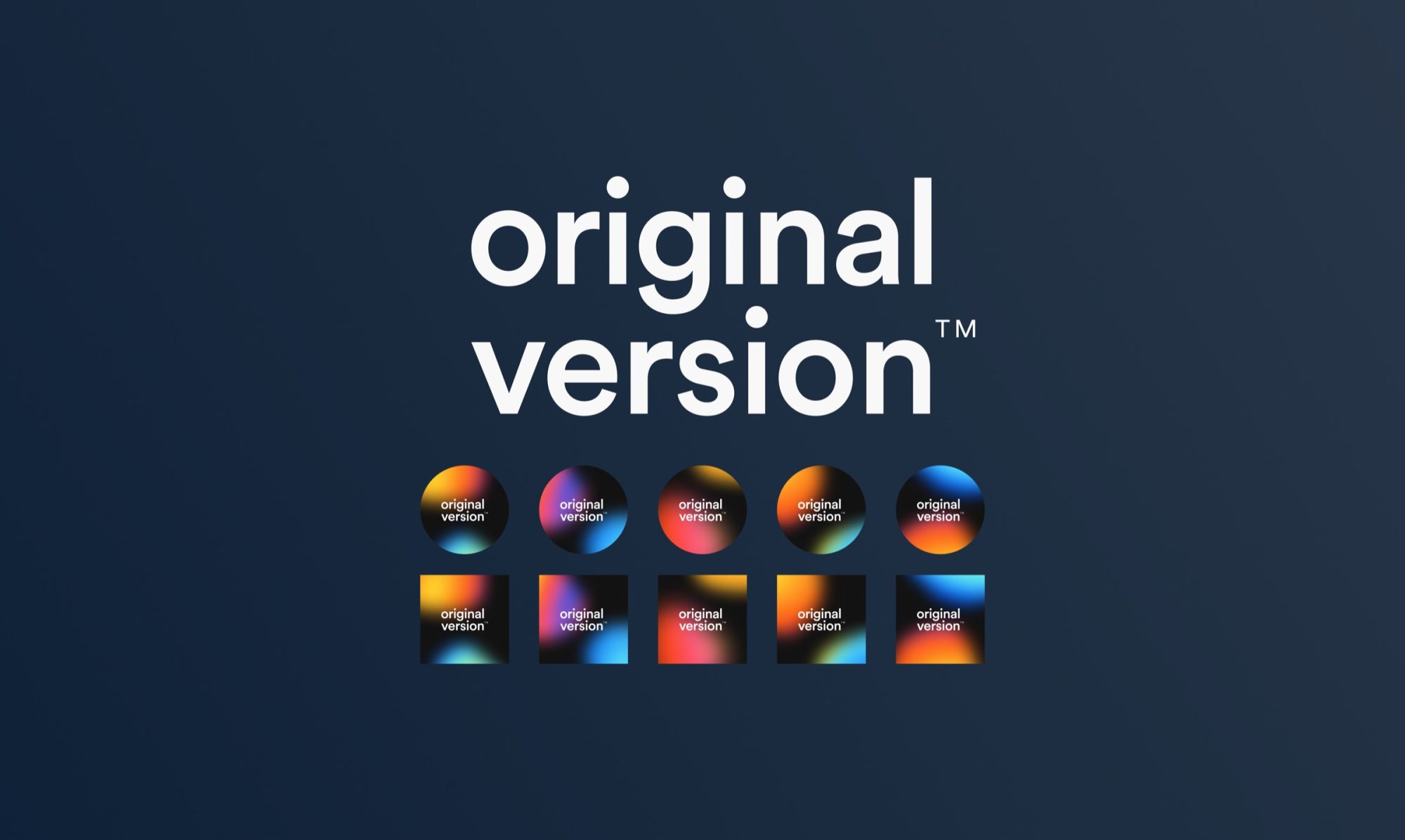
The group company is called IDAA, so was the platform, and it needed explaining every time it was introduced to people. Original Version wasn't an acronym, and it didn't need much explaining. You license the original version, and the original version, the human, stays in control.
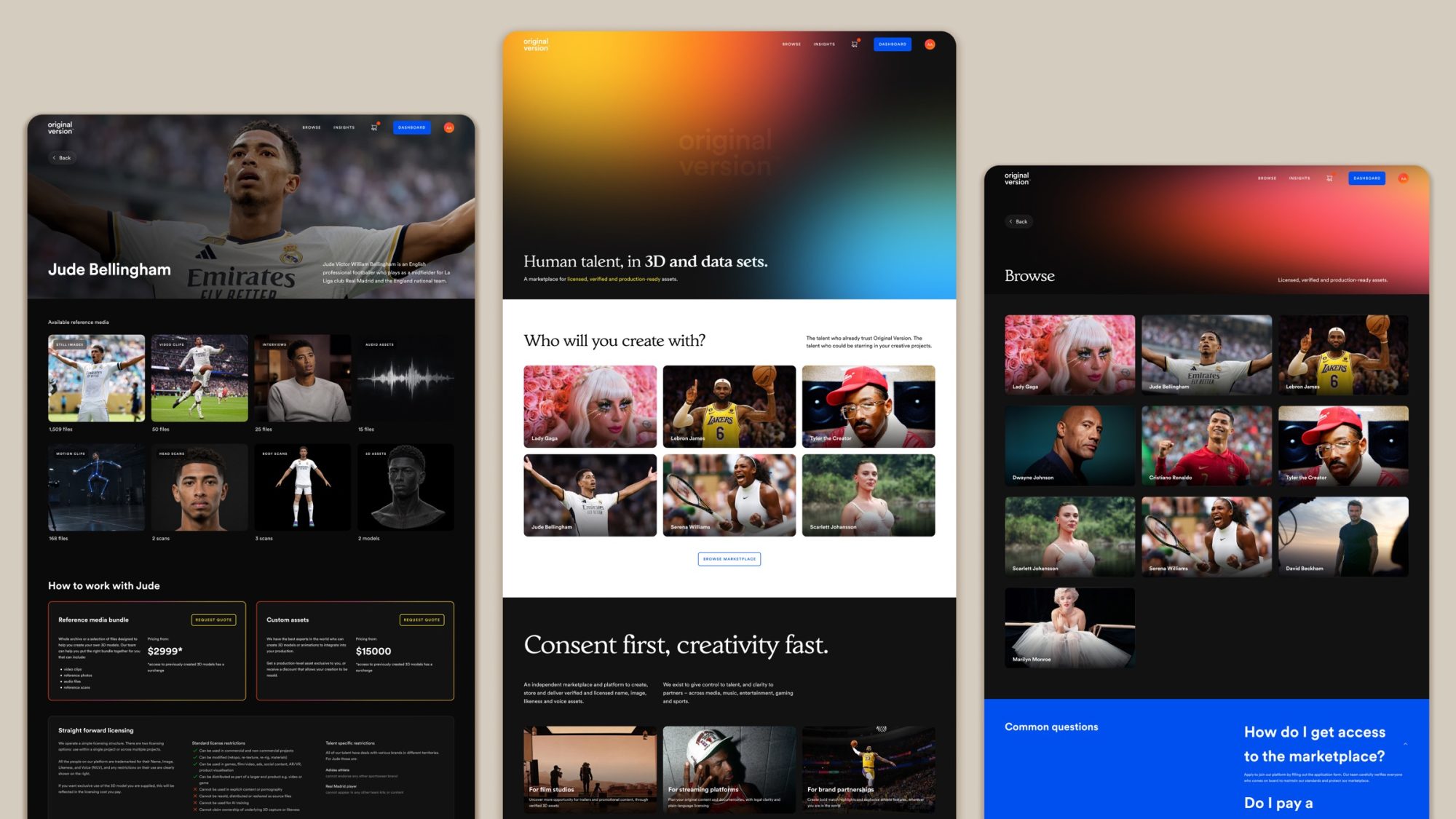
We built the brand around what it means to be human. Analogue texture. Stadium floodlights and camera glare. Off-centre framing, imperfect shapes, real photography. Warm colour borrowed from old-world cinema and the sporting moments everyone remembers. In a category full of cold synthetic gloss, warmth is the differentiator and inherently human.
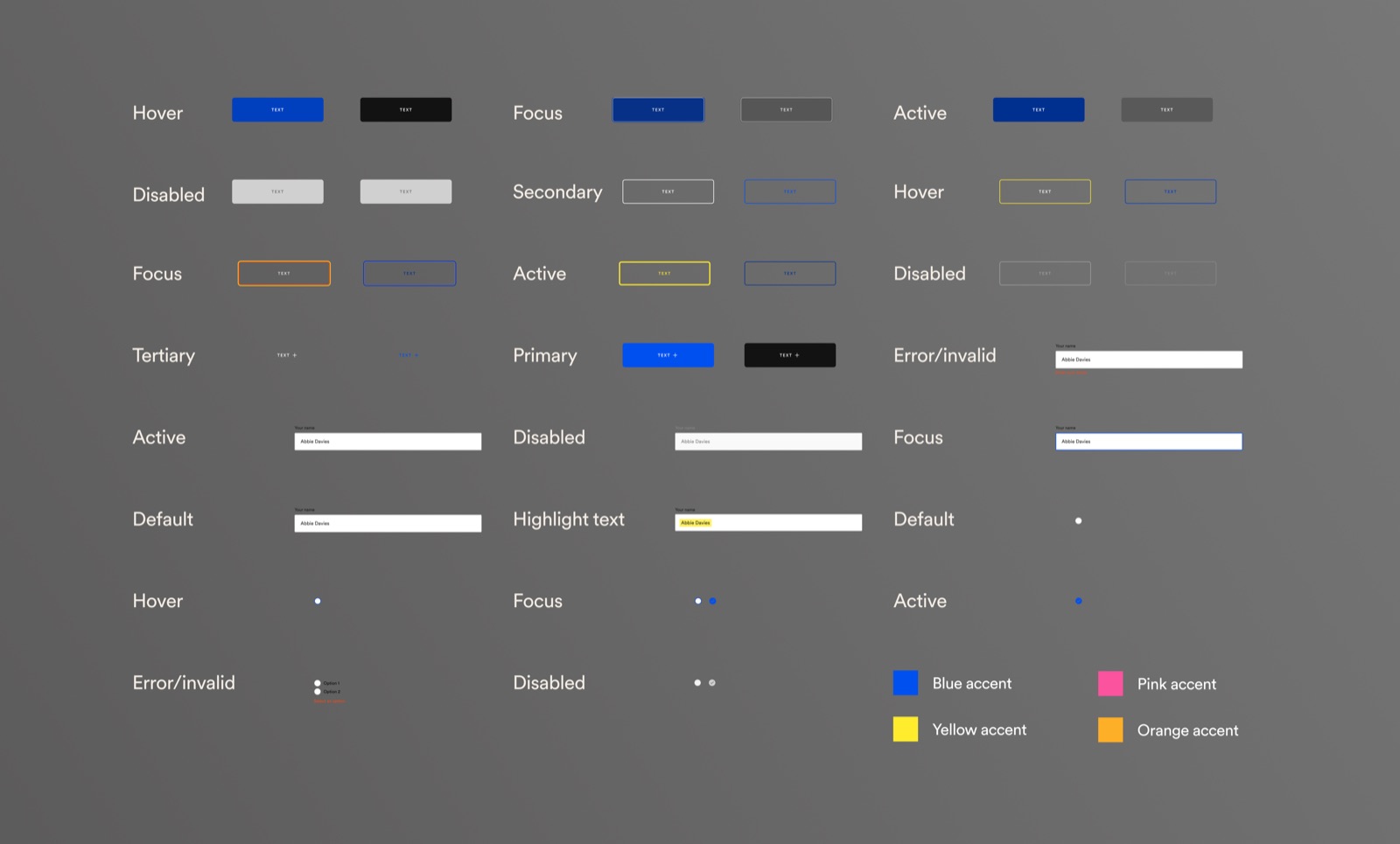
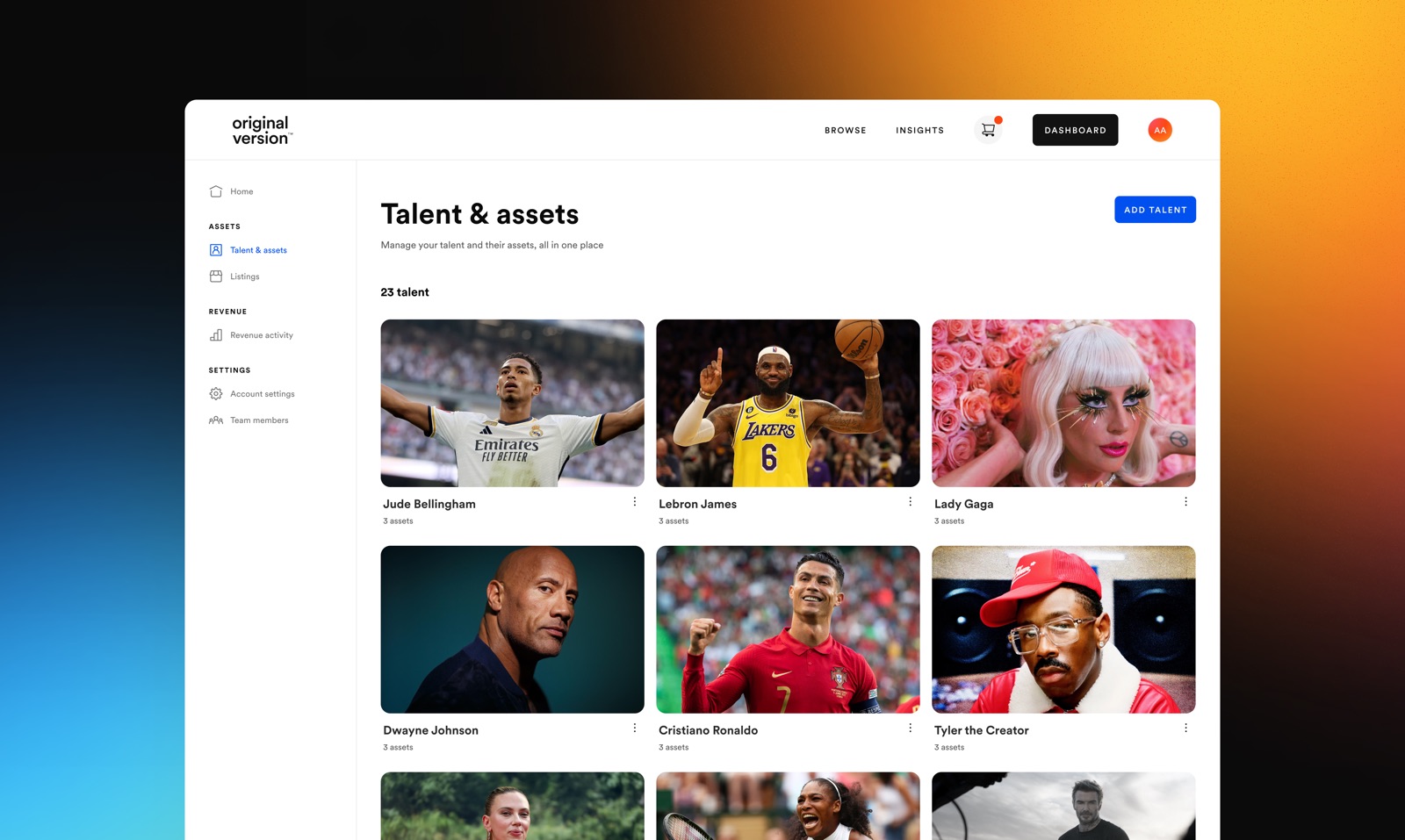
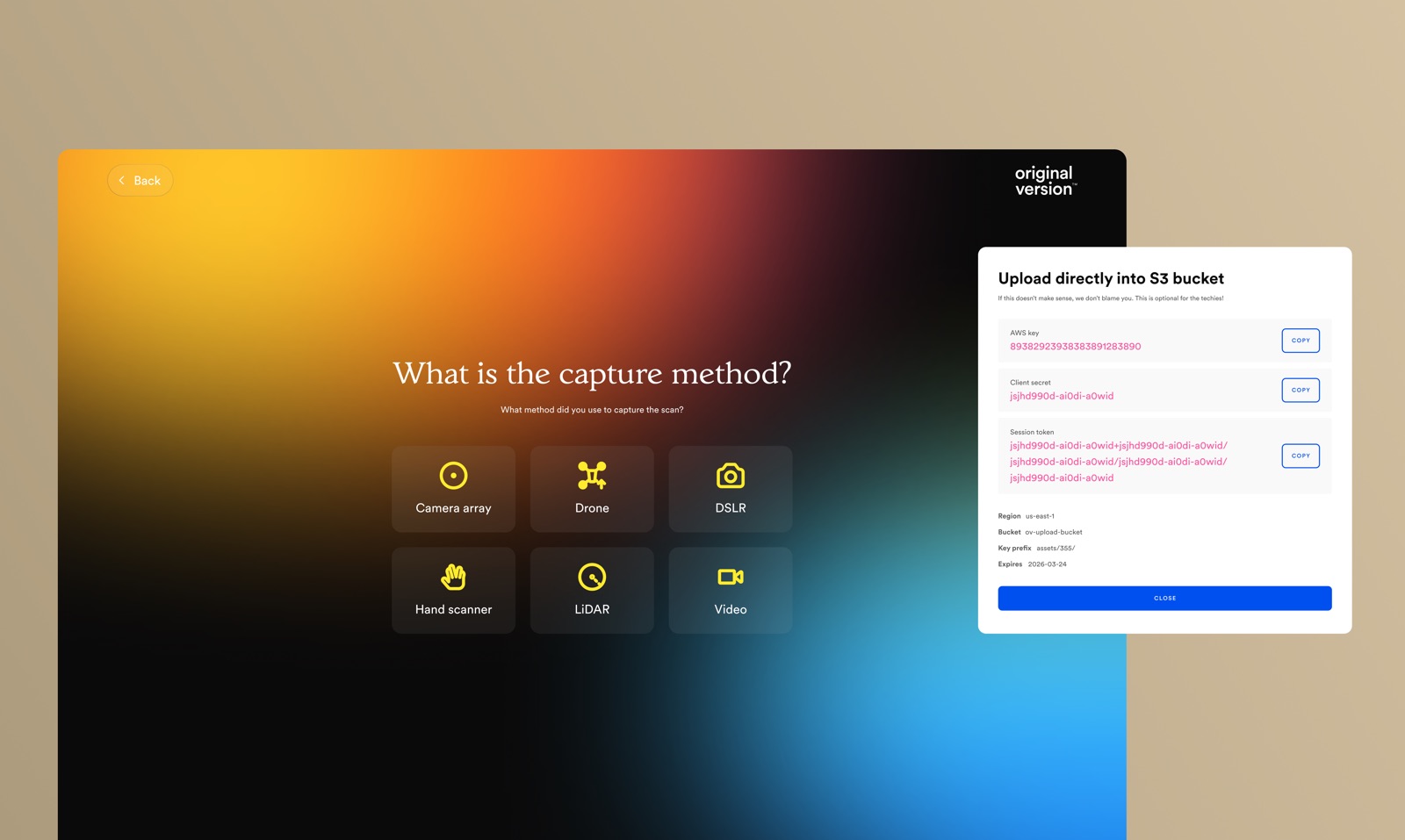
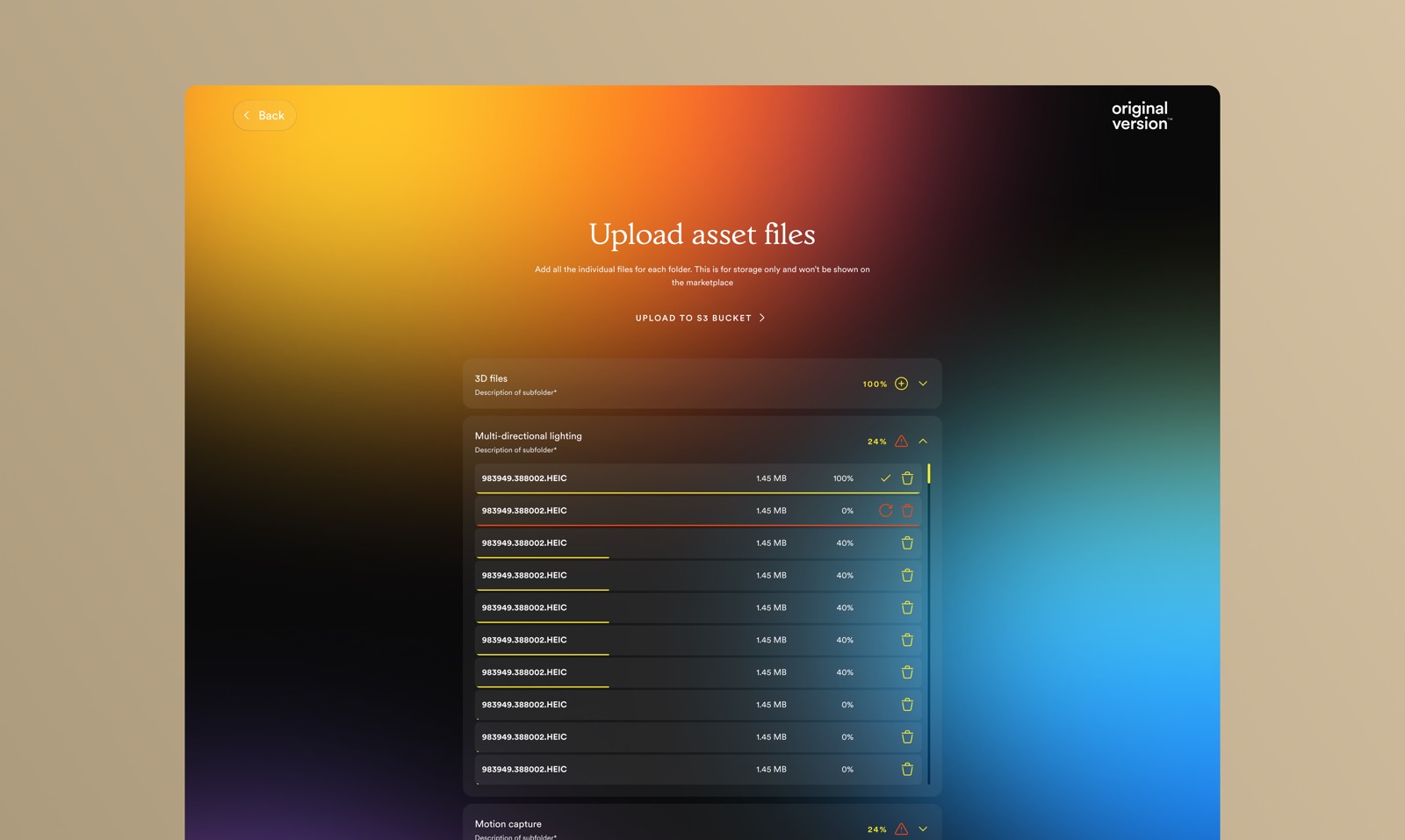
The platform design followed the brand work: our challenge was to build a complex operation that had to feel simple. Talent and agents create listings, or the OV team does it for them. Capture studios upload scans. Agencies browse and apply to license. I did the information architecture and service design myself, then brought in a small design team whom I directed to build a design system to carry it.
The pivot
Built the wrong thing well enough to find the right thing
Once it was built, customers and investors started seeing demos, and a pattern developed. Ad agencies didn't just want access to assets, but also needed help using them. So we moved from marketplace to service model: a production studio that helps clients create and use the right assets, fully licensed from the talent.
What happened
Six months: brand, platform, investment, talent signed
- New brand delivered end-to-end. Brand book, asset creation, tone of voice.
- Platform designed, built, then deliberately repositioned.
- Pre-seed investment interest and talent signed, on demos alone.
- Four vendors run against a single product strategy I developed and owned outright.
- In closed beta while the talent roster builds.
Why this one's here
This is what my fractional role can look like
Someone had an idea and a problem worth solving. Six months later, there was a brand, a business model, a working platform, investment in flight, and talent contracts being signed. A solid product strategy underpins that.
I sourced the designers, the build partner and the vendors, and made them work as one team against a strategy I created. The strategy changed twice, but the momentum was kept constant.
Trying to get something off the ground?
Happy to talk it through, even if you're not sure what it is yet.
Get in touch